 ← Back to Home
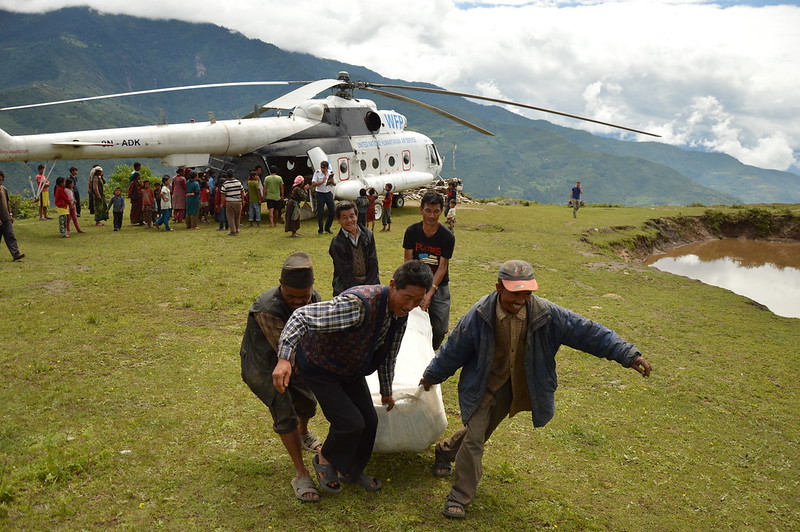
The Humanitarian Leadership Group on Supply Chain Final Conference will take place on 10 December 2025 in Brussels (Berlaymont building), bringing together high-level representatives from across the humanitarian sector— including United Nations agencies, the Red Cross and Red Crescent Movement, international non-governmental organizations, donors, academia, and the private sector.
The Conference marks the culmination of a series of five thematic workshops held throughout 2025 on Procurement, Environmental Sustainability, Digitalisation, Localisation and Preparedness. These workshops have provided a valuable platform for the humanitarian community for in-depth exchanges on the key dimensions of the humanitarian supply chain, examining challenges, opportunities, and interlinkages across themes. The discussions have emphasized the importance of moving from individual efforts to inclusive collaboration and collective action to ensure that strategic supply chain for humanitarian aid become more resilient, efficient, and sustainable, while maintaining affected populations at the centre of humanitarian response efforts.
Over the past year, humanitarian practitioners and experts have come together to reflect on how the humanitarian supply chain can better adapt to an increasingly complex operational landscape. A recurrent theme has been the urgent need for system-wide collaboration and coordination, moving towards a networked approach across the sector.
The Final Conference will provide an opportunity for humanitarian leaders to take stock of the key insights gathered, to agree on a shared vision, and to define a strategic pathway for strengthening humanitarian supply chain management in the years ahead, It will represent a key moment to translated vision into concrete action – endorsing shared commitments to make supply chains more resilient, sustainable, efficient and effective, ultimately improving outcomes for people affected by humanitarian crises.
In Brussels, participants will review and consolidate the main conclusions emerged from the five workshops, capturing the collective perspectives of the humanitarian supply chain community. The Conference will present with a vision and proposed actions to guide future collaboration and policy dialogue. These outcomes are expected to inform a common framework for improving efficiency, effectiveness, and accountability across humanitarian supply chains.
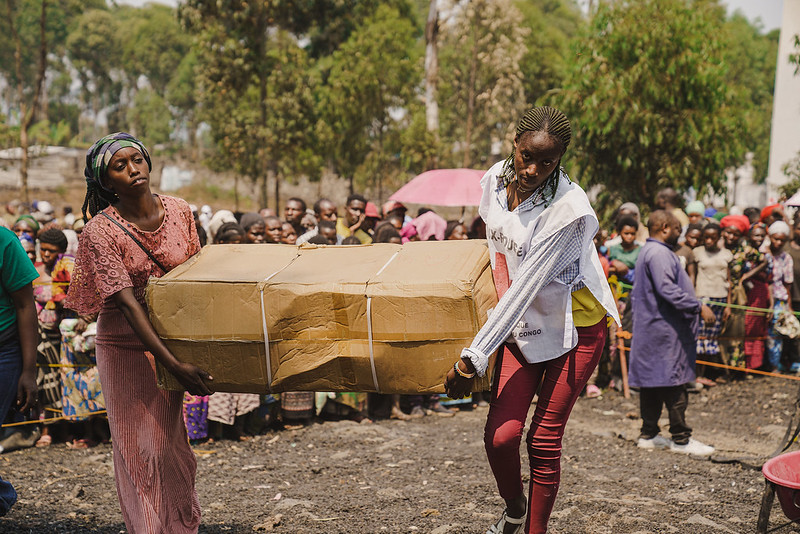
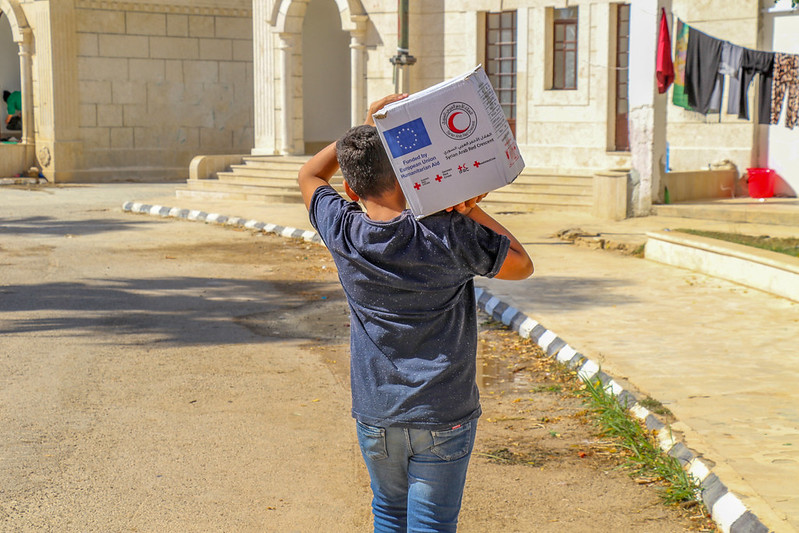
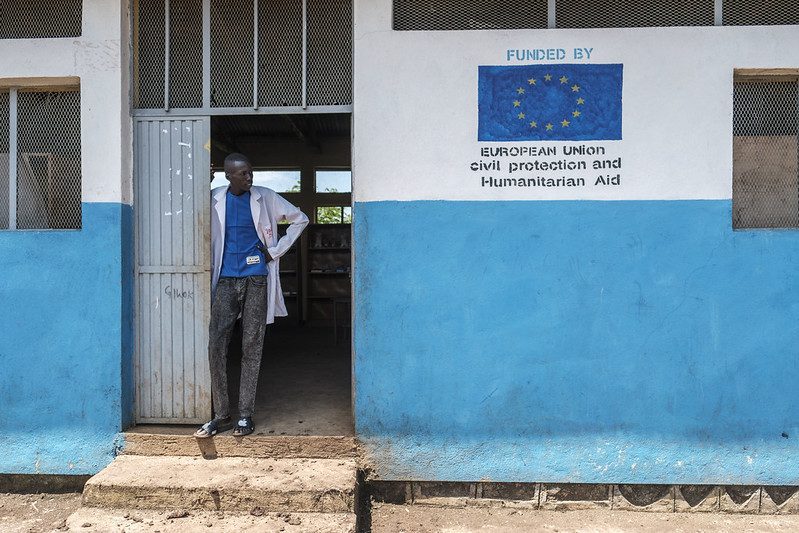
The collective discussions held across the five thematic workshops have highlighted a set of core principles that underpin the humanitarian community’s shared vision for the future of supply chain management:
The Humanitarian Leadership Group on Supply Chain Final Conference will conclude a year of reflection, collaboration, and dialogue. The outcomes of this process will contribute to a new model of assistance based on a shared understanding and lay the groundwork for future collective initiatives, ensuring that humanitarian supply chains continue to evolve in support of timely, effective, and equitable assistance for people affected by crises.